
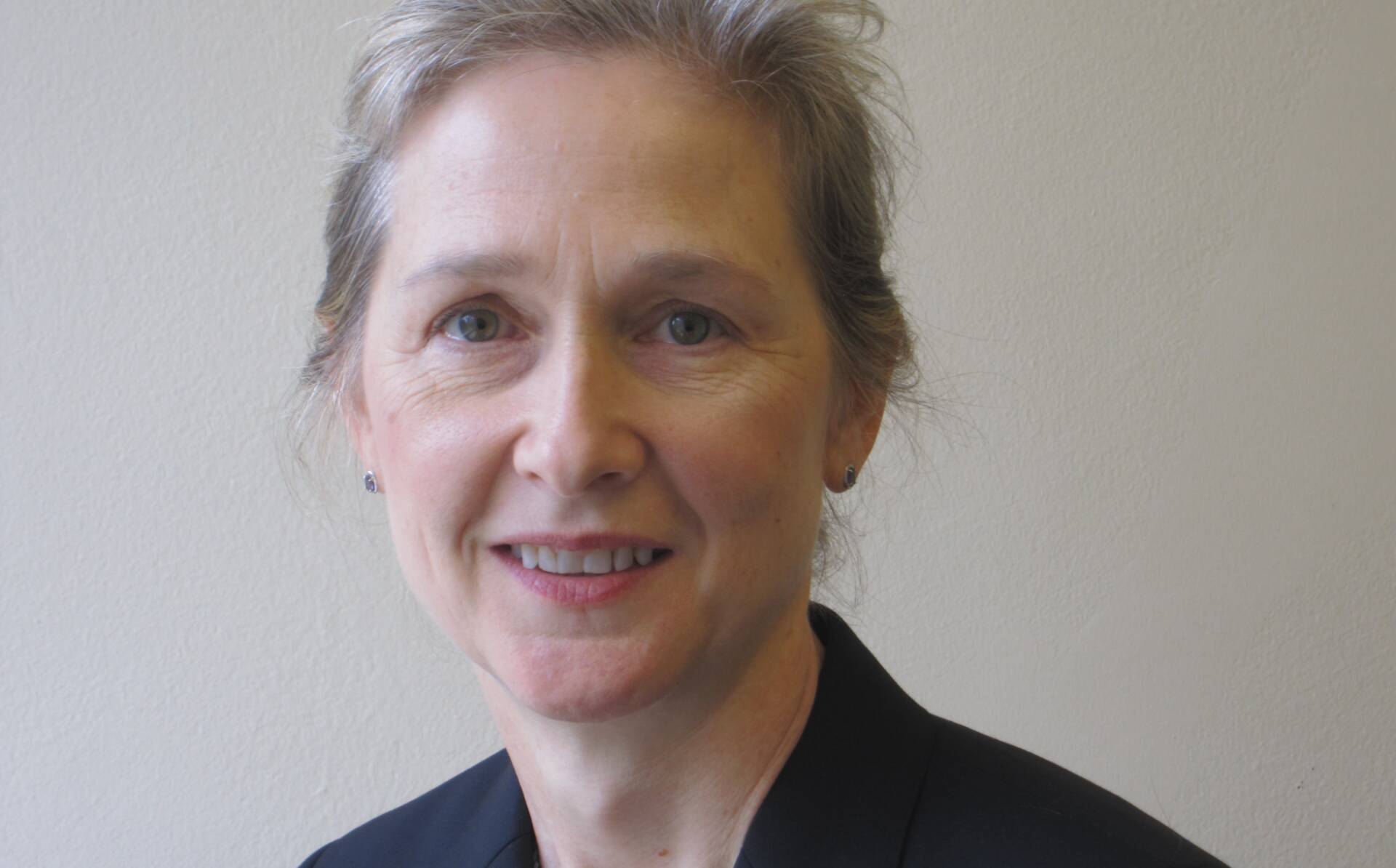
Linda Reardon, PE, is Senior Vice President and Director of New York, Connecticut, and Philadelphia Operations at NV5. The offices Ms. Reardon oversees are currently managing over 120 active projects ranging from $10,000 to $10 million in fees, including NV5’s largest office in New York City, where more than 100 architects, planners and engineers work. Ms. Reardon joined NV5 through the acquisition of The RBA Group in July 2015. Ms. Reardon’s experience ranges from planning to design and construction services on urban transportation and civic infrastructure projects. She brings extensive planning, design and managerial experience on infrastructure, traffic safety, and urban design projects. Linda Reardon also has specialized expertise in pedestrian safety and multi-modal facility design. She has an in-depth knowledge of roadway and utility engineering and has managed several large-scale multi-disciplined infrastructure design projects for public agencies. Recent experience includes major infrastructure-related projects in New York City, Philadelphia, Long Island and Connecticut, including school safety projects, and various street, plaza and trail design projects.
Ms. Reardon earned a B.S. in Civil Engineering from University College Cork in Ireland. She began her career at the New York City Department of Transportation and has been a key member of The RBA Team since 1988. Ms. Reardon is an active member of ACEC and currently serves on the Board of Directors of the Metropolitan Region of ACEC NY. She was recently appointed Director of the Atlantic Yards Community Development Corporation.
Lauren Wright, Ph.D. is Director of Investor Relations at NV5.
LW: Can you tell me a little bit about how you were introduced to infrastructure engineering? Did you always want to be an engineer?
LR: I’m originally from Cork City in Ireland and following a brief interest in Architecture, I entered the civil engineering program at University College Cork. I graduated in 1984, one of ten girls in a graduating class of 100.
LR: I was lucky in that my high school was one that really encouraged and enabled girls to take higher math and science courses, though this was not typical in Ireland at that time. During senior year, I had the opportunity to take the New York civil service exam, and was offered an entry level engineering position with The City of New York.
LW: Wow. And did you know you wanted to go to New York—was that particularly exciting to you? Or was that just by chance?
LR: I always knew I was interested in going away after school. The economic situation in Ireland at that time was one where the number of graduates, far outpaced the number of available jobs. I was planning to move to London, but then through a joint Irish/US government program, 13 Irish graduates were offered positions with public agencies in New York and San Francisco. And as I said I was already planning to go to London, was interested in living in a big city, so when they said New York, I thought “Great!” you know? My assignment was with The New York City Department of Transportation (NYCDOT), and I spent the first three years of my career there working in the Highway Department. It was a great experience, working with engineers from all over the world, many of whom I still work with today—both on the client and consultant side.
LW: That’s wonderful and so how early did you become interested in transportation or were you sort of thrust into that by the New York City DOT?
LR: Yeah, I was thrust into that.
LW: Okay, and then you ended up being really passionate about it?
LR: Yes and particularly, I mean, designing in the public realm in New York City is wonderful. It’s complex, it’s very dynamic, it’s got so many aspects to it, both above and below ground. Each project is unique, and most have a range of technical, aesthetic, and community concerns. But my passion really grew when I started to get involved with multi-modal design, designing Complete Streets and working on pedestrian safety programs such as safe routes to school.
I learned about traffic calming, and that really kind of energized me, the idea that we weren’t just designing for throughput, for cars alone, that we were really designing for all the different modes, for pedestrians, for motorists, for bicyclists, and that made a lot of sense in New York City where you have so many pedestrians and a great need for public open space. This grew into an interest in pedestrian safety for kids. In 2000, we were selected by NYCDOT to analyze crash history and prioritize the need for safety improvements around 1,400 schools citywide. It was a multi-year, citywide contract, and at the time my daughter was attending public school in Brooklyn, walking to and from school, which made it all the more meaningful. The studies we performed, led to an extensive capital improvement program, and 15 years later our engineers are still working on design projects to implement safety measures around the schools that are most in need.
LW: Sure. That’s really interesting. When did you join RBA?
LR: I worked at New York City Department of Transportation from 1985 to 1988, and joined RBA in 1988. At RBA, I got to work on a variety of street and highway design projects, and I got my professional license in 1992, with my interest in traffic calming and ped safety evolving during the mid-nineties. The office was expanding at this time, we also performed bridge design, and traffic engineering, and around 1998 I took over from my predecessor, as head of the design practice in the New York office. We added landscape Architecture in 1999 when we hired Jackson Wandres. Both of our daughters were born that year, we live in the same Brooklyn neighborhood, and had summer houses in the same rural upstate hamlet, so it’s always very easy for me to remember when we started the LA practice!
LW: And so did you leave New York City DOT for a particular opportunity at RBA or what was the impetus for that?
LR: Yeah. Well RBA approached me—they had a need. I did have other options, but the four day work week at RBA was a real sell! I still think it helps us in recruiting young talented professionals. But in joining RBA, I was also interested in working for the private sector, and in working at a mid-sized firm.
LW: Right.
LR: It was, you know, the size and the type of firm because RBA has always been multi-disciplined, with engineers, architects and planners working together—it’s very collaborative. I was mentored by Bettina Zimny who heads up Planning at RBA, there was an opportunity to kind of follow your passion and to directly pursue projects of interest. RBA has always been supportive of that, and so I was able to direct the types of projects that we pursued.
LW: Wow and how big was the firm at that time? When you joined, do you remember?
LR: The firm was around the same size [200 employees], but the New York design group was much smaller, maybe 25 people.
LW: How have you seen the challenges associated with, well infrastructure broadly, but transportation, planning and design in New York change from the beginning of your career to now?
LR: There are new project delivery methods like design/build. And It’s much more competitive, with more firms competing for the work. Also, there are a lot more facets to the approval process. The regulatory environment is definitely more complicated—that’s one change. There are some changes that are for the good, you know, as our work has become more complex, more challenging, but also more rewarding.
LW: But it’s fascinating that you were interested in pedestrian safety from the beginning because it has just become more and more central to the City’s needs over time.
LR: Right and traffic calming, you know, the egalitarian nature of traffic calming. When I started out it was really all about throughput, about “How many cars can you get through this corridor as quickly as possible?” And then the idea of calming traffic and community based planning got some traction here [in the U.S.] and for me the work became more meaningful an interesting.
LW: That’s great. Do you see any particular opportunities, or are there any gaps in Manhattan or anywhere else in the Northeast that your team can fill or what are the sorts of projects you really want to go after now?
LR: Sustainability. We recently started a water resources group, and have been successful in winning several contracts to plan and design green infrastructure. We have also pursued some resiliency projects, and there are more opportunities in that realm as the metropolitan area continues to rebuild after Superstorm Sandy.
LW: Right. And did you ever have trouble sort of transitioning from being a practitioner to a manager or someone who is responsible for a lot of different disciplines within the company or did that come naturally to you, that trade-off?
LR: I was always comfortable with working with different disciplines, and transitioning from a practitioner to a manager, I think that is always challenging because as a practitioner and as an engineer you know it’s a bit hard to remove yourself from design.
LW: Right.
LR: If you have a good team, then it is easier to do. I have a really great team that has been working together for many years, as well as some amazing new people. When you work with good people that you trust, then it is easier to make the transition, so I think, succession planning and mentoring is really important for a successful team. The team has to be constantly evolving.
LW: And you have still have a foot in the planning world, I mean do you still work on projects with your own clients? How directly involved are you with the clients
LR: Though my role has evolved more to management, I still maintain personal relationships with clients. Now, running New York, Connecticut and Pennsylvania, I’m obviously less involved specifically with projects, but there is still involvement with projects at key junctures, and there is still involvement with clients, personal relationships are there and if there is an important issue, clients will call me, or I know I can call them. I think that’s really important too, it’s all about the relationships.
LW: Yes, absolutely. Well, I think we’re almost finished. Do you want to end by discussing a favorite project that you’ve worked on, if you have one?
LR: There are many, but Stone Street would be one. It’s a historic restoration of one of New York’s first paved streets. It was a downtown revitalization project along a sleepy back alley, and now it’s a vibrant restaurant row lined with outdoor cafes.
LW: Great.
LR: And since moving to our new office in Lower Manhattan, we are now just a few minutes away from Stone Street, so now we get to go there for lunch!